Are personal breathalysers worth it?
Yes — as long as you buy a good one. A quality breathalyser tells you what's actually in your system, so you can make a safer call before you drive. Compared to the cost of a fine, losing your licence, or something far worse, it's cheap insurance.
What is the most accurate breathalyser for personal use?
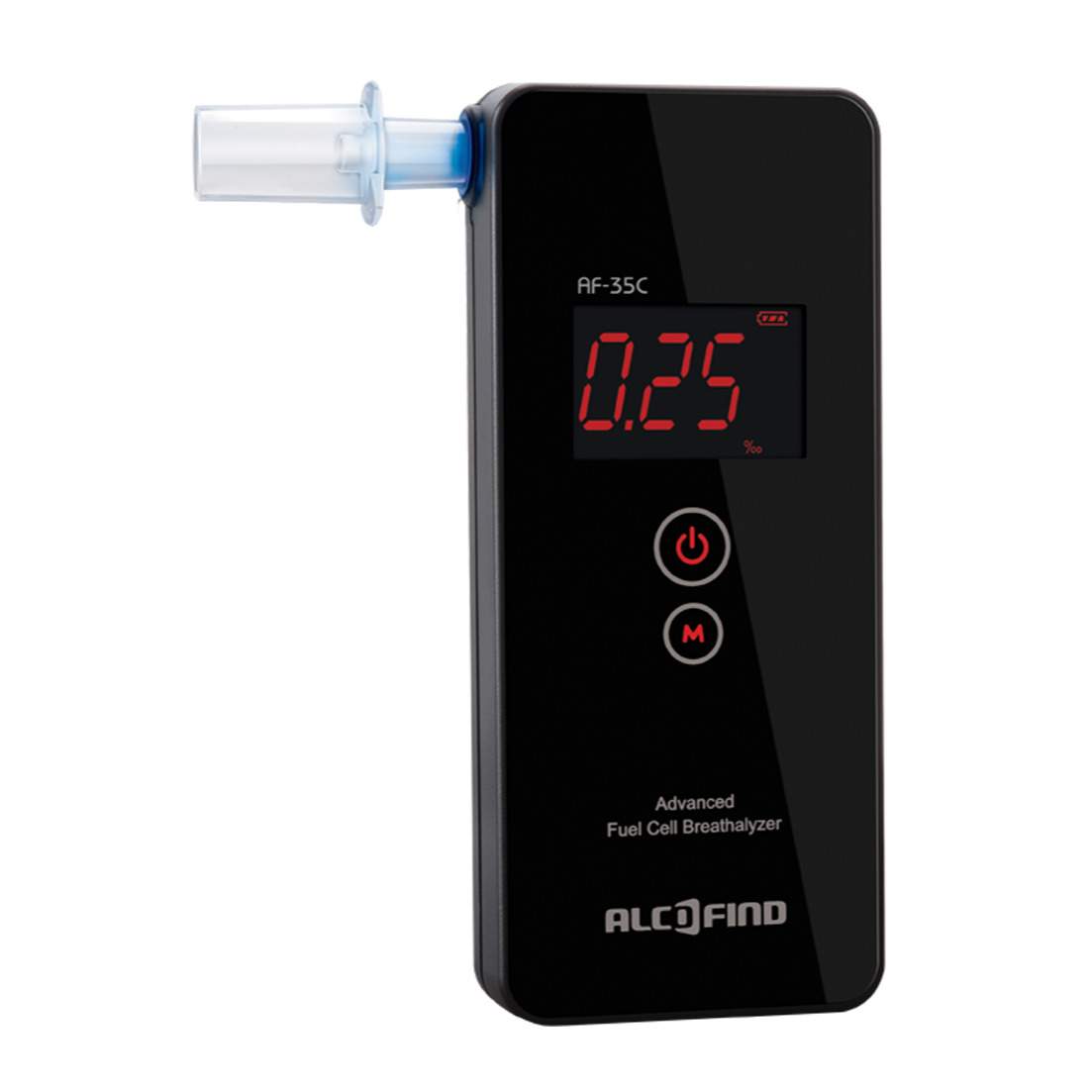
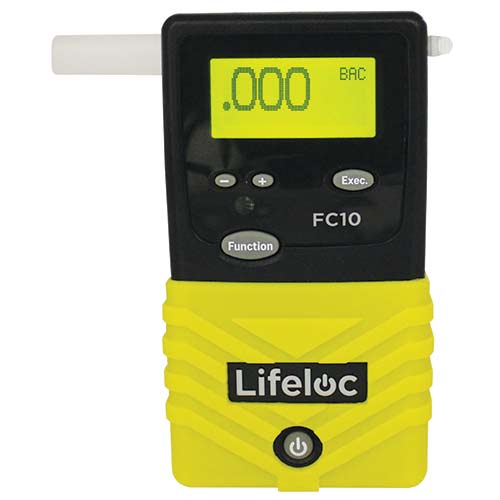
The most accurate personal breathalysers use a fuel cell sensor — the same technology police devices use. That's why both of our devices are fuel cell based: the AF-35C for everyday personal checks, and the Lifeloc FC10 if you want full police-grade accuracy. Whichever you use, keeping it calibrated is what keeps it accurate.
What is the best personal breathalyser?
It depends on how you'll use it. For everyday personal checks before you drive, the AF-35C is simple, accurate, and affordable. If you test often, share it with a workplace, or just want the best available, the Lifeloc FC10 is a police-grade device built to last 10+ years. The one to avoid is the cheap chemist-shelf variety — see below.
Will 1 sip of alcohol show up on a breathalyser?
Straight after a sip, yes — alcohol still in your mouth can give a surprisingly high reading. Wait 15–20 minutes and test again for a true reading of what's in your system. One sip is unlikely to register much after that, but if you're on a zero alcohol licence, remember that any alcohol at all is a problem.
Are cheap breathalysers accurate?
Generally, no. Cheap devices use semiconductor sensors, which can react to things other than alcohol and drift out of accuracy quickly. They might be fine as a novelty, but we don't recommend trusting your licence — or your safety — to one. That's exactly why we only sell fuel cell devices.
Do portable breathalysers work?
Yes — good ones work very well. Police use portable fuel cell breathalysers on the roadside every day. A quality handheld device with a fuel cell sensor, calibrated once a year, will give you readings you can rely on.
Does drinking water reduce alcohol breath?
Not really. A glass of water can rinse away leftover alcohol in your mouth — which helps you avoid a falsely high reading right after a drink — but it does nothing to the alcohol already in your bloodstream, and that's what a breathalyser is actually measuring. Water, coffee, food, mints: none of them sober you up. Only time does.
How long until alcohol is 100% out of your system?
It depends on how much you drank. As a rough guide, your body clears about one standard drink per hour, and there's no way to speed that up. After a big night, alcohol can still be in your system well into the next day — that's how morning-after driving catches so many people out. If you're not sure, test yourself before you get behind the wheel.
How often are breathalysers wrong?
A good fuel cell breathalyser that's calibrated regularly is rarely wrong. Readings usually go astray for three reasons: a cheap sensor, testing too soon after drinking (mouth alcohol), or a device that hasn't been calibrated. Avoid all three and your readings will be dependable — but always treat a reading as a guide, not a green light to drive close to the limit.